
On this page
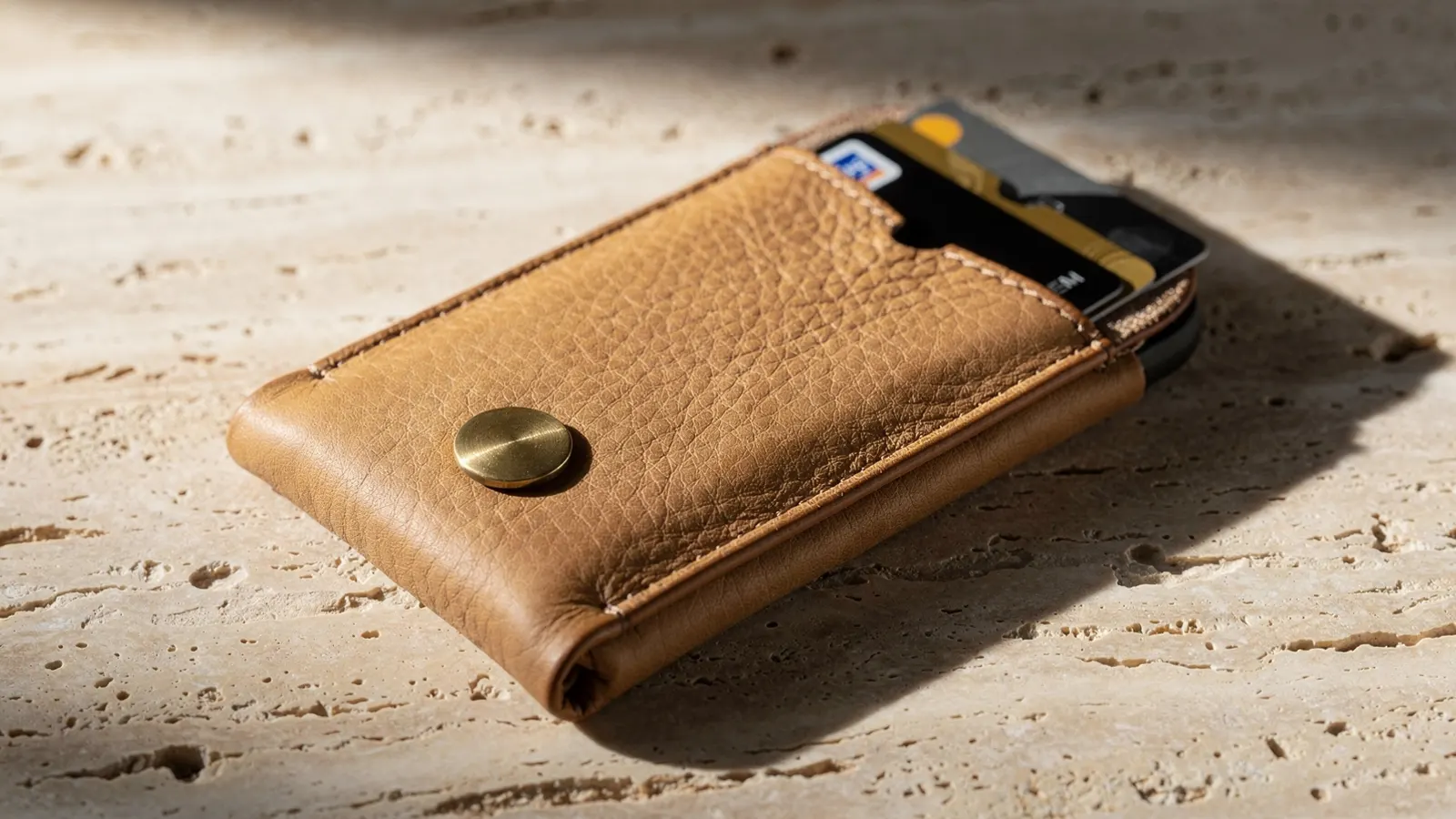
A common question from new users: which kind of video should I make? The honest answer is that it depends on where the ad runs and what job it has to do. To show the difference, we took one product photo, a tan leather wallet case, and made three videos from it.
This isn't a performance case study. We're not quoting results, because results depend on your audience, offer and budget far more than on the format. It's a practical look at what each format does well.
The starting point
One photo: the case on a plain background, the snap and stitching clearly visible, two cards in the slot. Nothing else. No lifestyle shots, no video, no model.
Video 1: A creator on camera
Mode: Creator (UGC). Length: 12 seconds. Language: English.
A woman in her thirties at a café counter pulls the phone from her coat, flips the card slot open with her thumb, pays, and says "I haven't carried a wallet since March." The case goes back into her pocket.
What it's good for:
- Cold audiences who've never heard of you. A person talking builds trust faster than a product on its own.
- TikTok and Reels, where creator-style video looks native.
- Testing messages. It's easy to change what she says and keep everything else.
Watch out for: a creator can pull attention away from the product. Make sure the brief puts the product in her hands in the first few seconds.
Video 2: The product on its own
Mode: Single image. Length: 8 seconds. Sound: ambient music, no voice.
The camera pushes in slowly along the stitching while soft light moves across the leather. The snap closes with a click. The case settles on a stone surface.
What it's good for:
- Product pages and collection pages, where the viewer already knows what they want.
- Retargeting people who've visited your site.
- Premium positioning. Nothing sells craftsmanship like a slow close-up.
Watch out for: it tells no story. On its own it rarely convinces someone who wasn't already interested.
Video 3: Before and after
Mode: Transition. Length: 10 seconds. Inputs: two photos, a bulging leather wallet and the slim case.
The shot starts on a stuffed wallet with receipts sticking out and morphs into the slim case with three cards. Voice-over: "This is everything I actually need."
What it's good for:
- Showing a change. Decluttering, skincare, cleaning and fitness products love this format.
- Grabbing attention. Movement between two states is naturally eye-catching.
Watch out for: both photos need a similar angle and framing, or the morph looks odd.
Side by side
| Creator | Product only | Before and after | |
|---|---|---|---|
| Best placement | TikTok, Reels, Stories | Product pages, retargeting | Feeds, Stories |
| Best audience | Cold | Warm | Cold or warm |
| Tells a story | Yes | Barely | Yes, visually |
| Easy to vary | Very | Somewhat | Somewhat |
| Needs | One photo | One photo | Two photos |
What we'd actually run
For a product like this, starting from nothing:
- Three creator videos with different hooks for cold audiences, to find the message that works.
- One product film for the product page and retargeting.
- One before and after as a wildcard in the test.
Then put the budget behind whichever creator hook wins, and make a new version of it every week or two so it doesn't go stale.
Try it on your own product
All three formats start from a product photo you already have. The $3.99 Trial Pass covers one video on any of them, and the free ad script generator will write the scripts first so you can see which story fits.
More from the blog
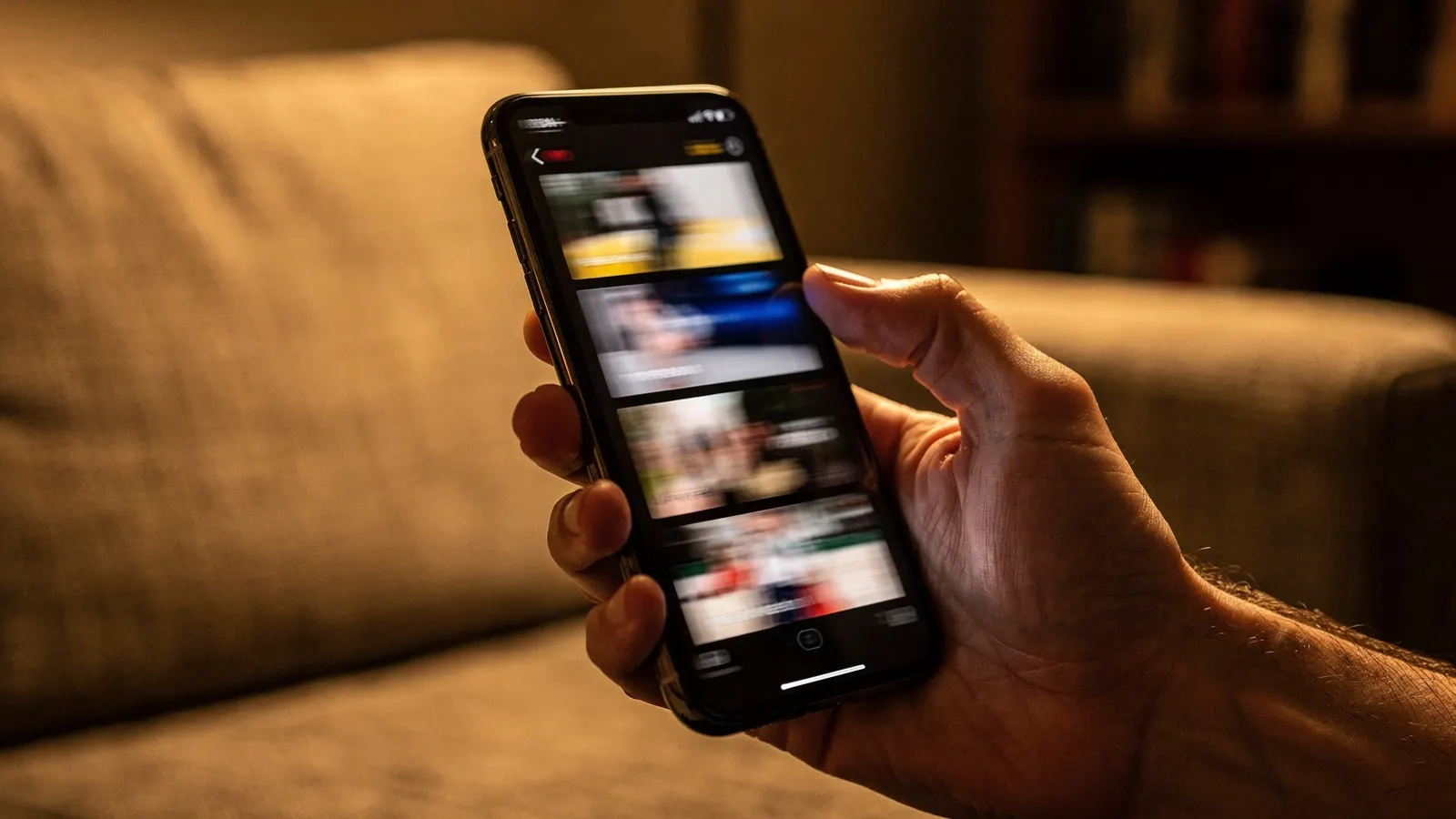
7 Video Ad Hooks That Stop the Scroll, With Examples
The first two seconds decide whether anyone sees the rest of your ad. Here are seven hook patterns that keep working, and how to write each one for your own product.
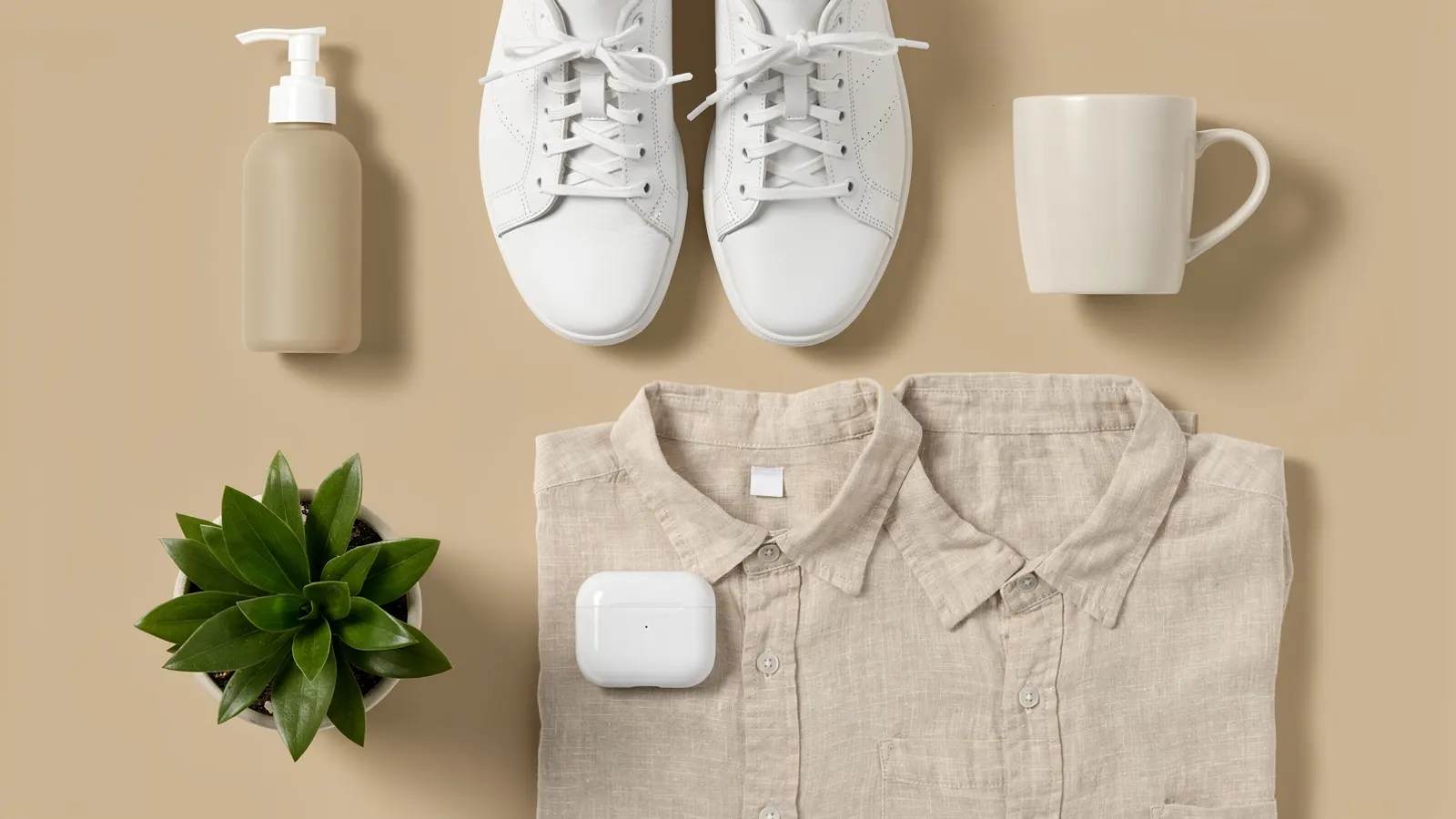
Product Video Ideas by Category: 30 Ads You Can Make From One Photo
Skincare, fashion, home, gadgets, food and more. Concrete video ad ideas for each category, with the hook, the format and what the video should show.
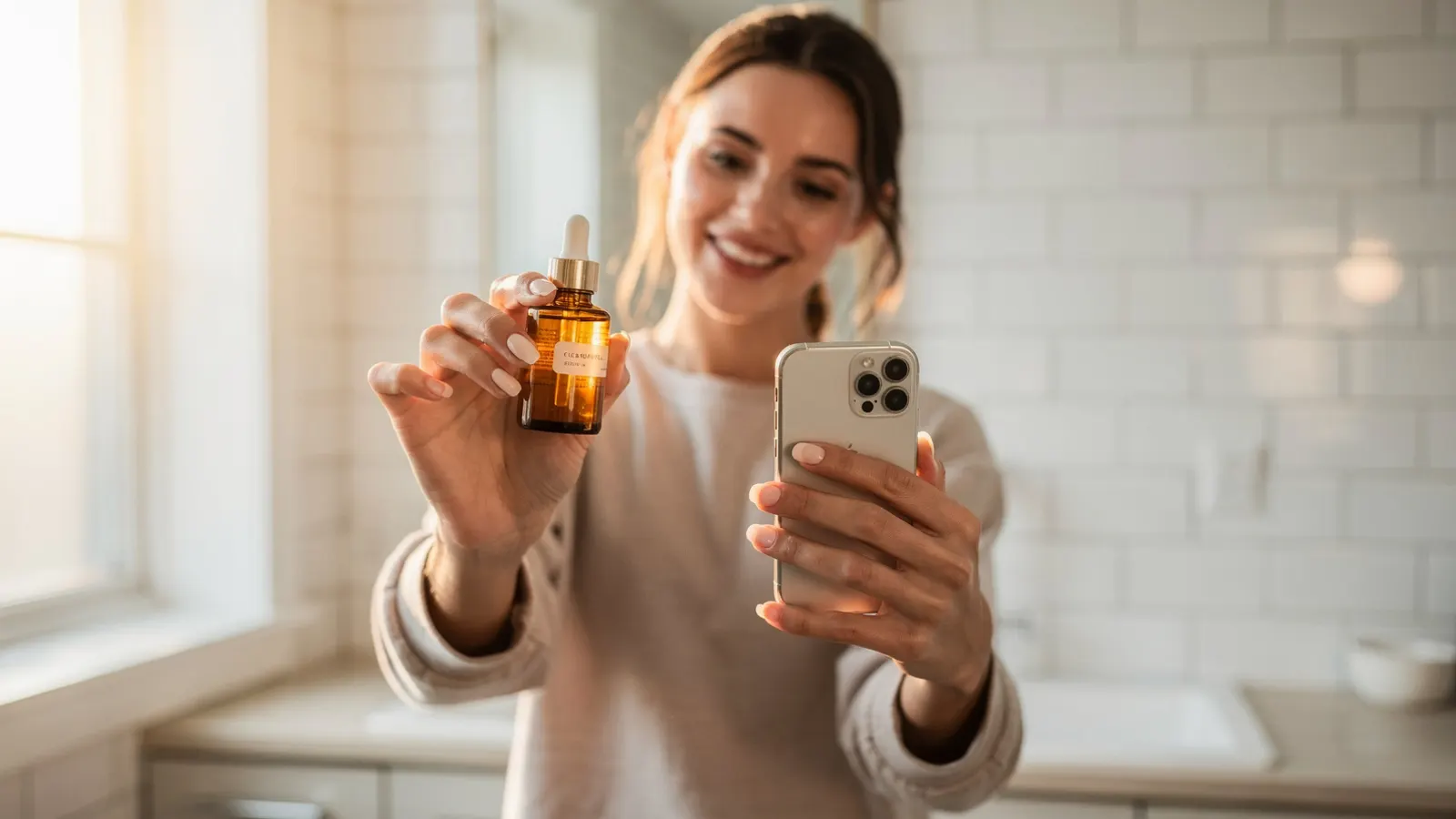
How to Make UGC Ads With AI: A Step-by-Step Guide
A practical walkthrough for turning one product photo into a creator-style video ad, from picking the photo to testing three hooks against each other.